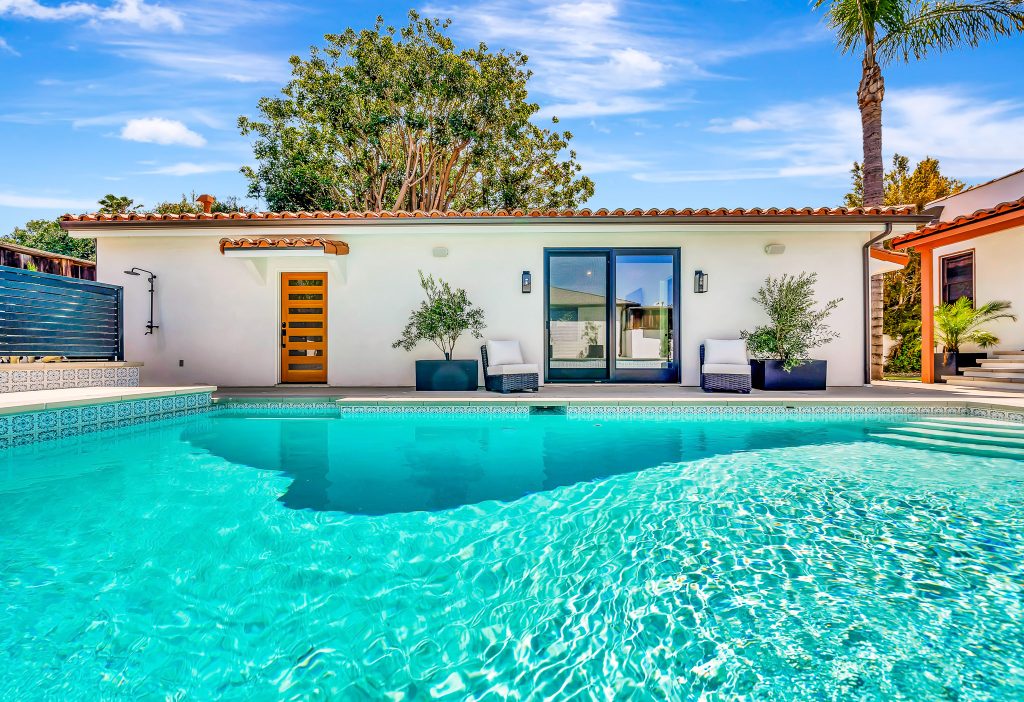

2025 ADU Design Trends Across Beverly Hills, Malibu, and Beyond
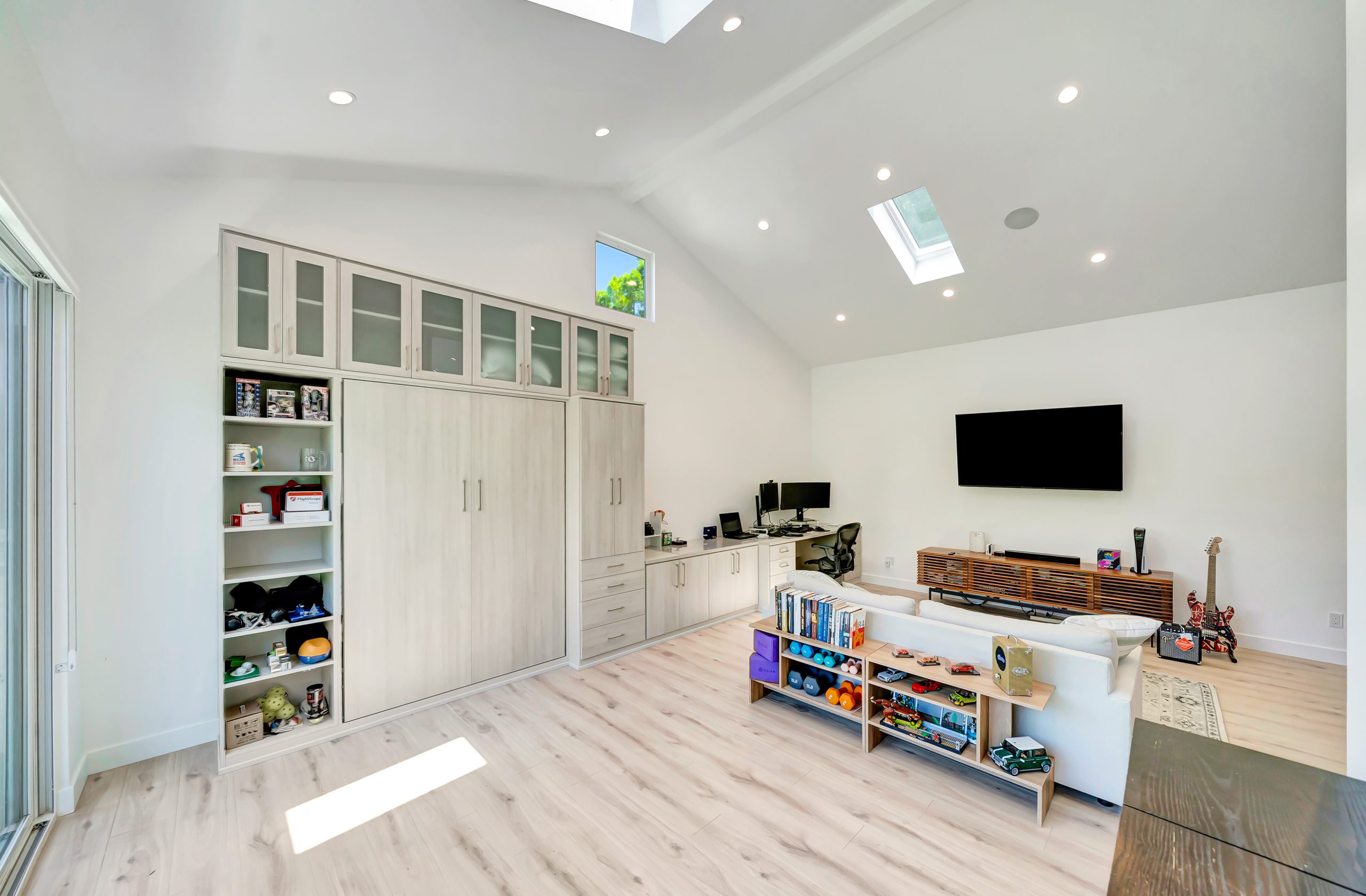
2025 ADU Design Trends Across Beverly Hills, Malibu, Pasadena, and Beyond
Beverly Hills and Santa Monica: Luxury Kitchens, Spa Baths, and Seamless Indoor–Outdoor Flow
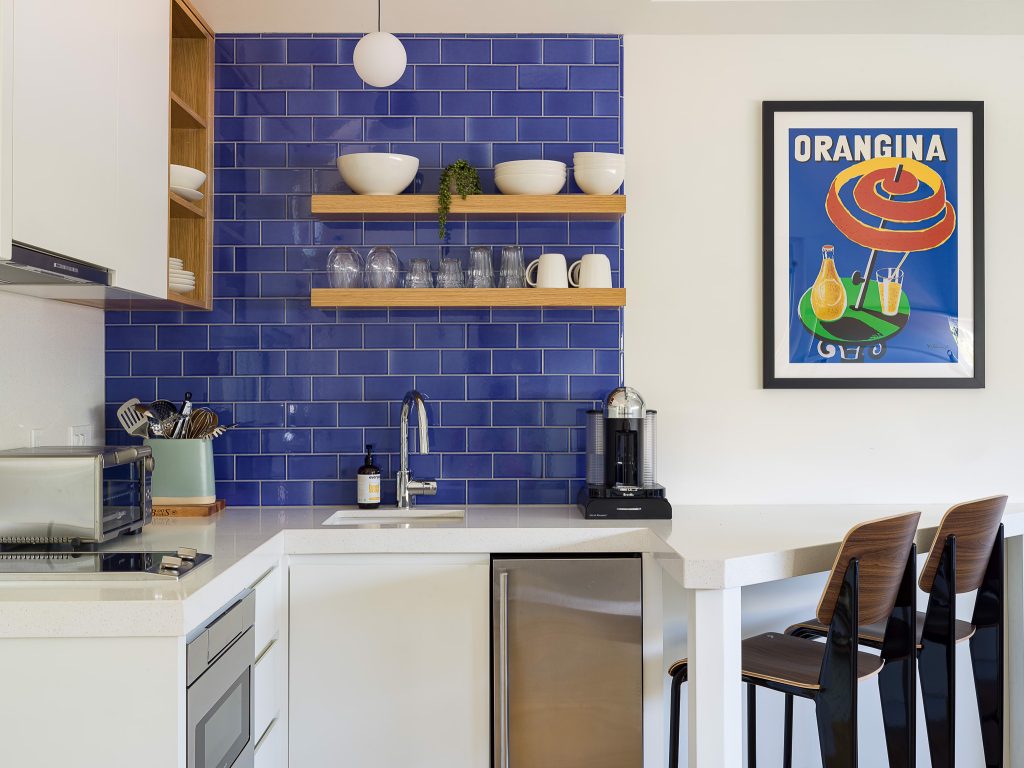
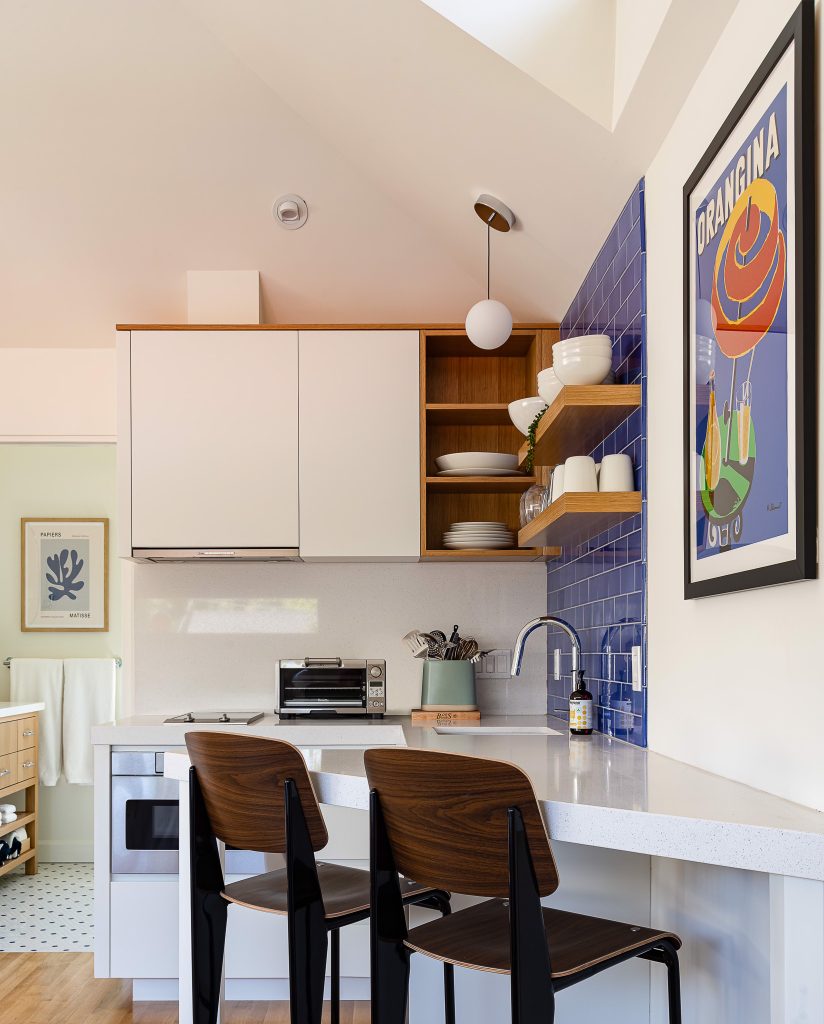
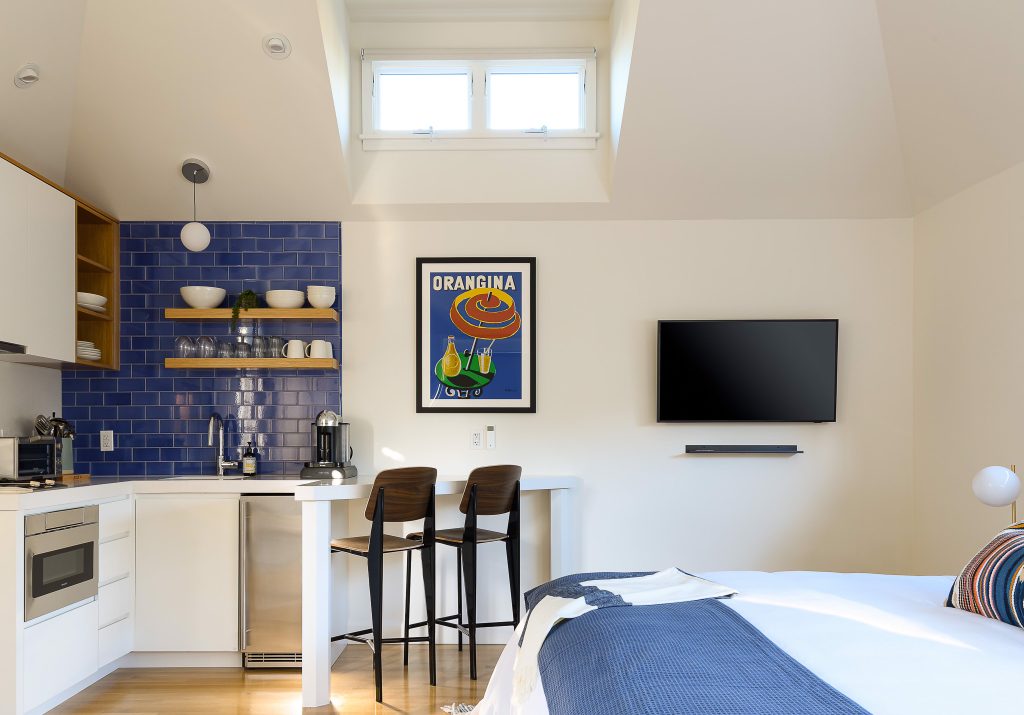
For homeowners in Beverly Hills and Santa Monica, 2025 ADU design trends skew decisively toward refined performance and quiet luxury. In compact ADU kitchens, we are installing layered work triangles with 36-inch professional ranges, downdraft or concealed ceiling hoods, and workstation sinks with integrated accessories that multiply prep surfaces. Fluted white oak, rift-sawn walnut, and lacquered slab fronts deliver a polished but tactile aesthetic, while quartzite or sintered stone countertops (with 12mm profiles) resist etching, UV, and heat. We specify panel-ready refrigeration to keep sightlines clean and use recessed micro-trim outlets to preserve stone veining. Meanwhile, lighting plans apply 3000K warm LEDs with dimmable zones, toe-kick night paths, and art lighting over sculptural backsplashes. The result balances crisp functionality and couture detailing—tailored for entertaining, but durable for daily use.
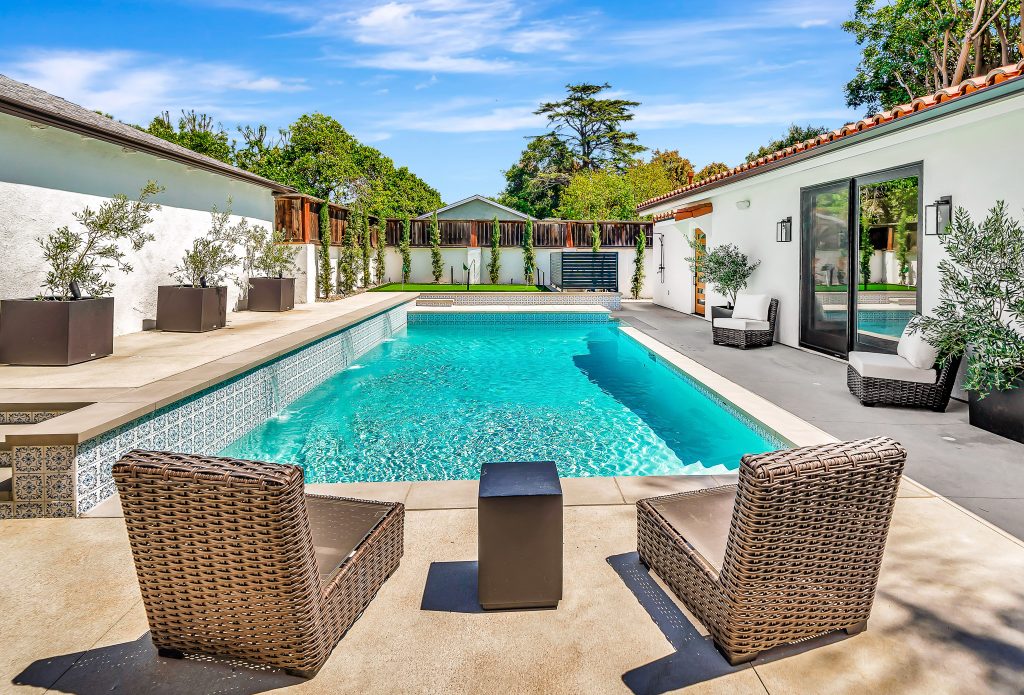
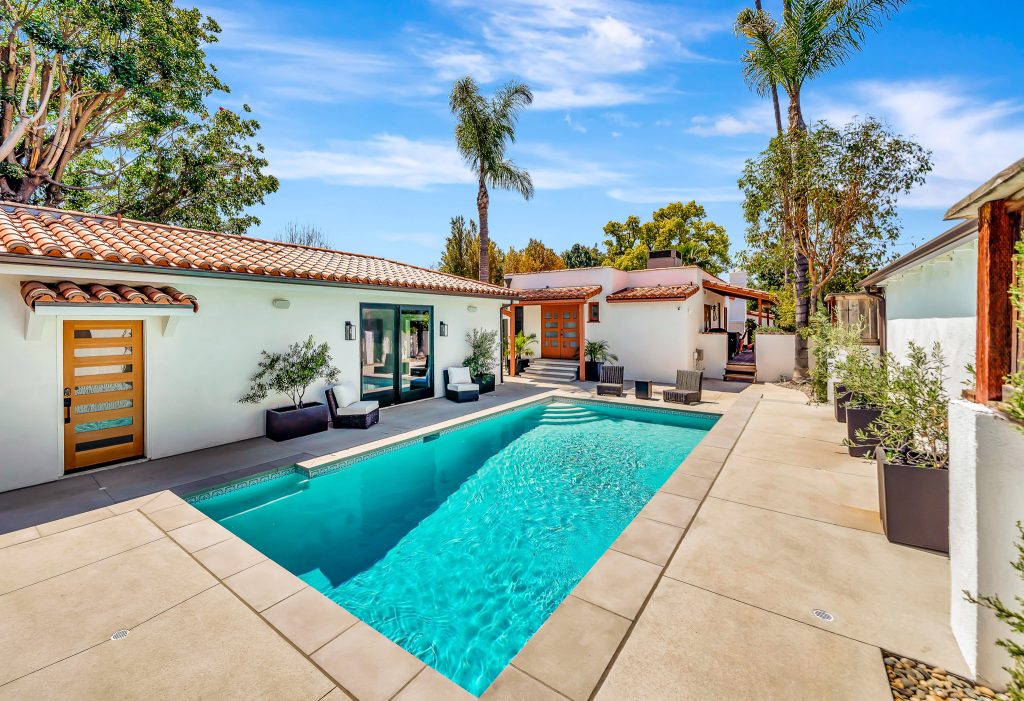
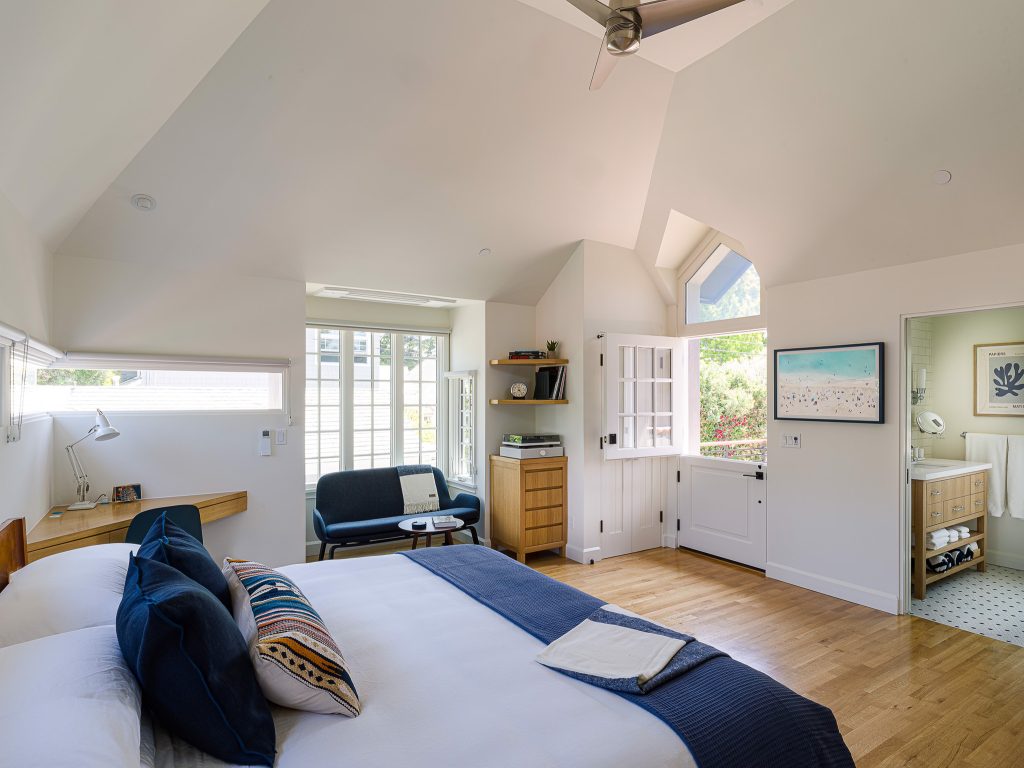
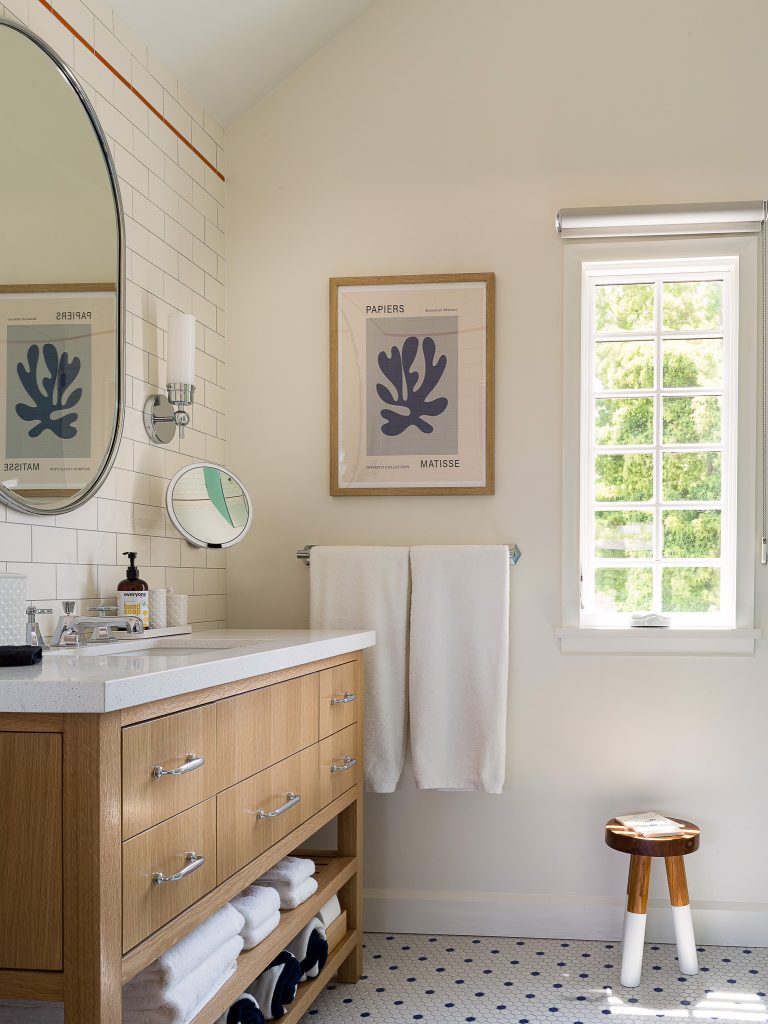
Primary suites in these micro-residences lean spa-like without slipping into fragility. We combine large-format porcelain with hand-pressed zellige accents to create movement and depth, then add PVD-coated brass or marine-grade stainless fixtures that shrug off heavy use. Low-profile linear drains, heated floors, and steam-ready shower enclosures elevate comfort, while smart mixing valves hold exact temperatures. Storage solutions hide in plain sight: recessed niches with mitered edges, mirrored medicine cabinets wired with outlets, and linen towers integrated behind fluted panels. In Santa Monica, where ocean breeze is a year-round amenity, 12-foot pocketing doors and thermally broken aluminum systems blur lines between bath suites and private courtyards. That indoor–outdoor sensibility defines 2025 ADU design trends along the Westside—spaces breathe, finishes last, and every inch works harder.
NEXT STEP
Planning a Similar Project?
If you are considering a new build, addition, ADU, or remodel and want to understand what is realistic for your property, we would be happy to talk through your goals.
Schedule Your ConsultationMalibu and the South Bay: Ocean-Ready Envelopes and Daylight-First Plans
Along the Malibu coast, 2025 ADU design trends prioritize materials that laugh at salt spray, wind, and UV. We’re specifying factory-finished standing seam aluminum roofs with Kynar coatings, hot-dipped galvanized hardware, and fibreglass or aluminum-clad windows with anodized finishes to resist pitting. Cementitious or porcelain cladding and sintered slabs deliver stone-level drama with near-zero porosity, perfect for splash-prone zones. At decks, marine-grade stainless fasteners, hidden clip systems, and modified woods or porcelain pavers outperform traditional softwoods. We pair that durability with resilience: raised slabs where flood maps demand, tie-downs and holdowns sized to coastal lateral loads, and vented rain-screen assemblies that dry quickly after storms. Smart ventilation via ERVs preserves indoor air quality even when windows stay closed during high surf and wind advisories.
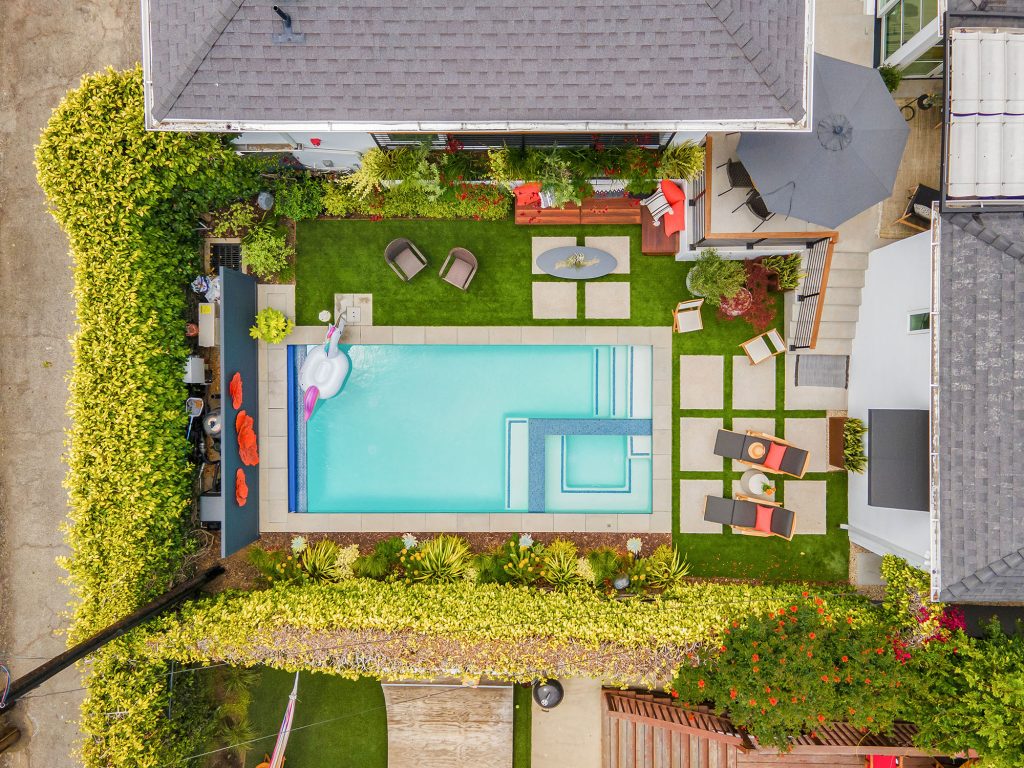
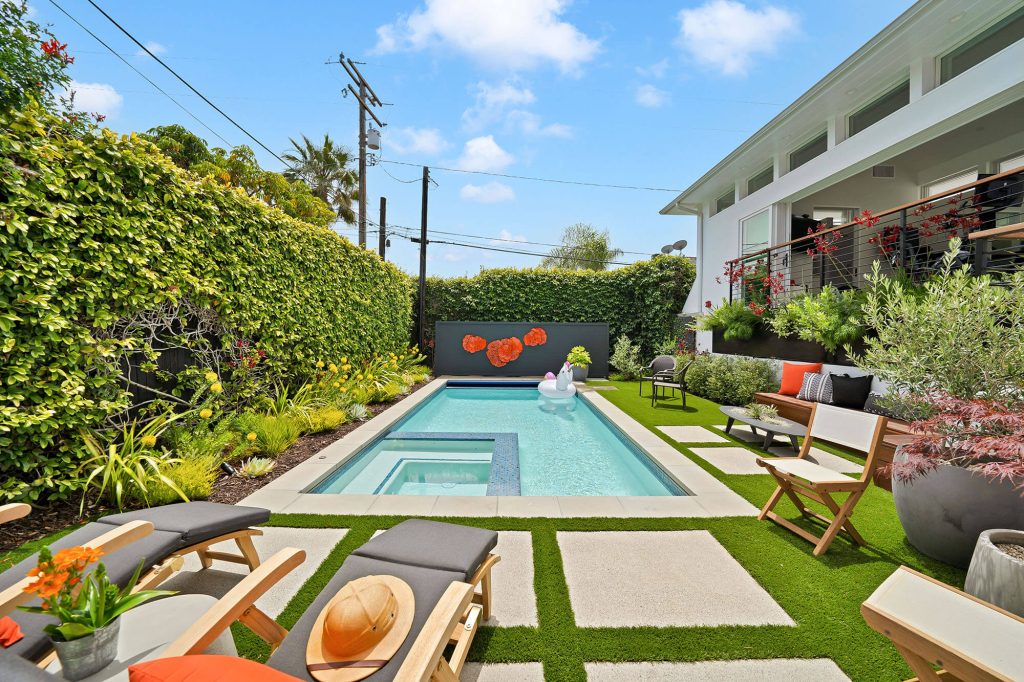
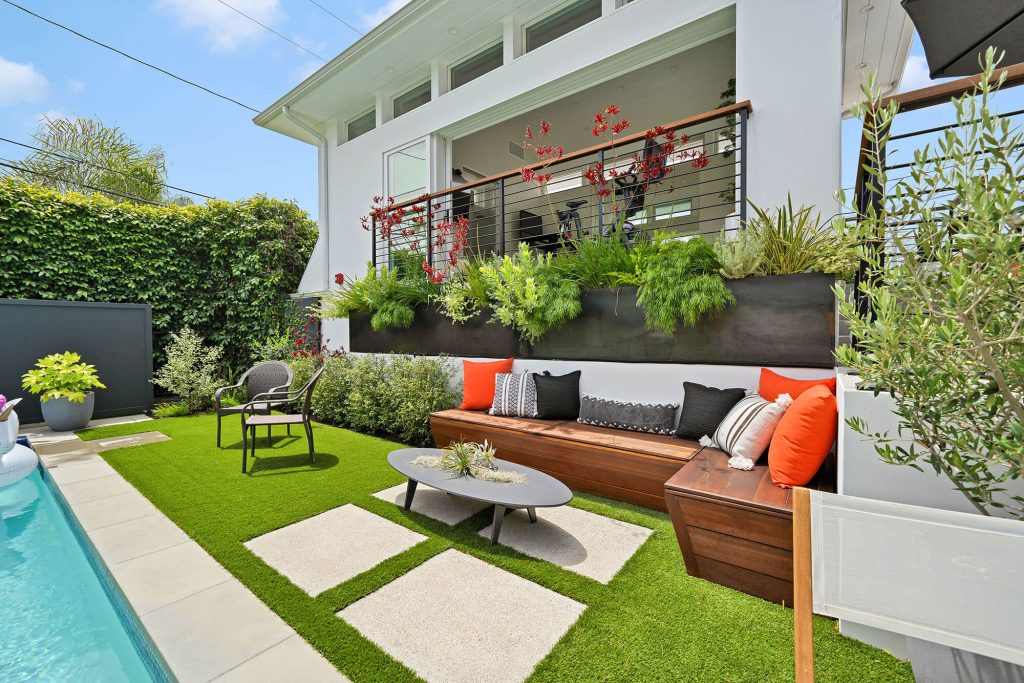
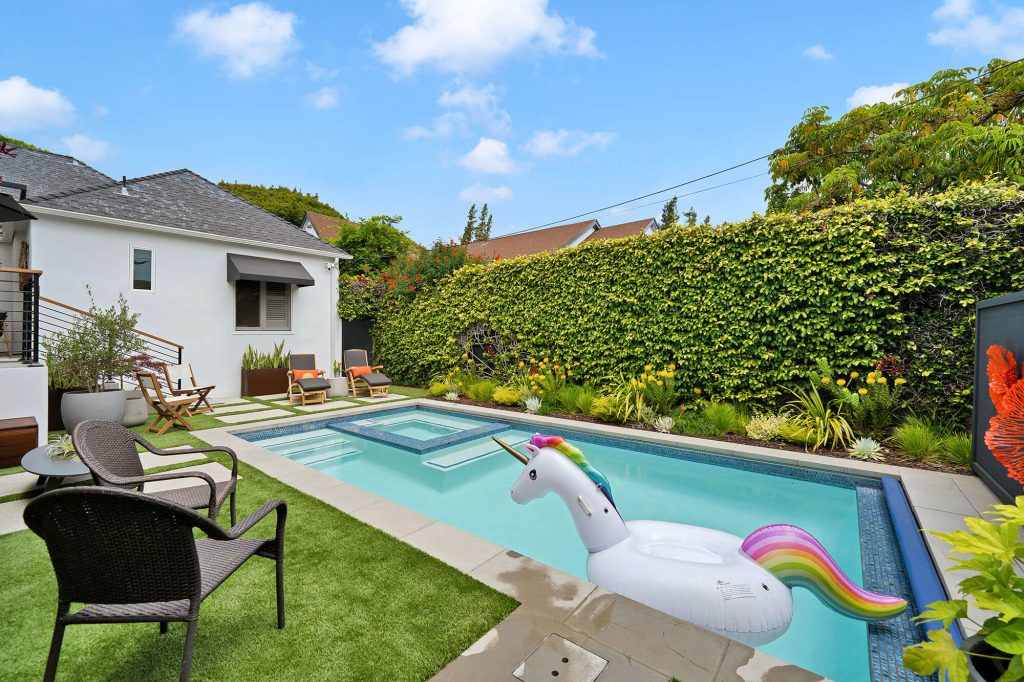
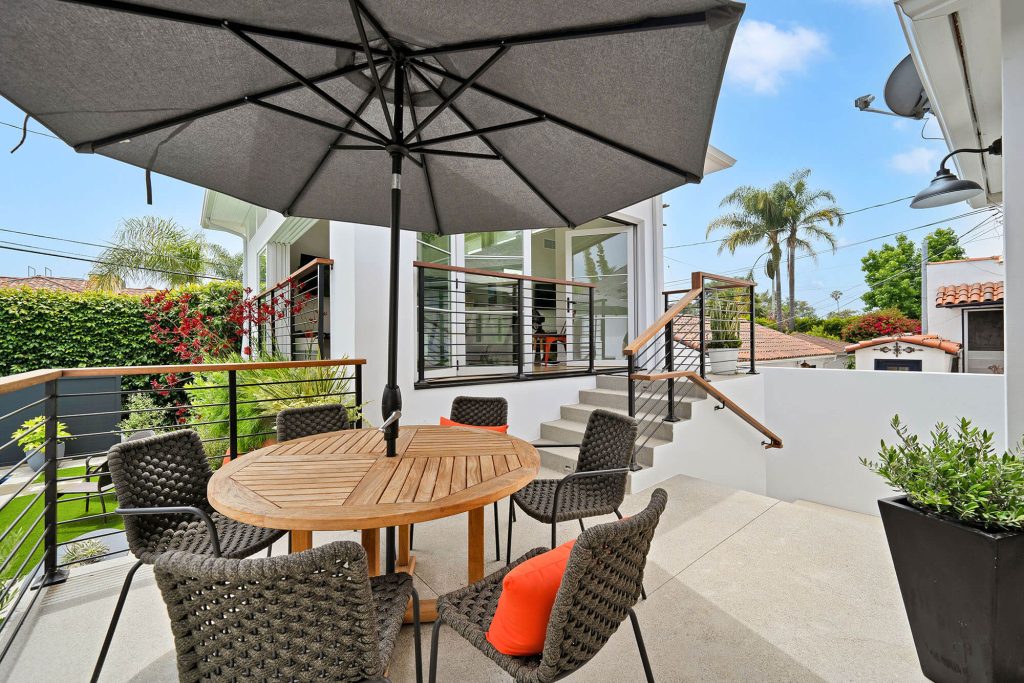
Just down the coast in Manhattan Beach and Hermosa Beach, light is the main ingredient. We design ADUs to drink in daylight with clerestories, solar orientation, and interior courtyards that pull sun deep into the plan. Kitchens lean high-contrast—charcoal lowers with quartzite or porcelain tops, cloud-white uppers, and dark bronze hardware that grounds the palette. Matte micro-cement floors unify living spaces and courts, while minimal jambs and concealed tracks erase the boundary between inside and out. Skylights with low-E3 coatings brighten baths and stair cores without adding heat gain, and motorized shading fine-tunes glare hour by hour. Acoustic glass abates beach bustle, and passive cross-ventilation strategies, aided by venting skylights, keep interiors cool without overworking heat pump systems.

Palos Verdes Peninsula: Ecosystem-Driven Design and Hillside Know-How
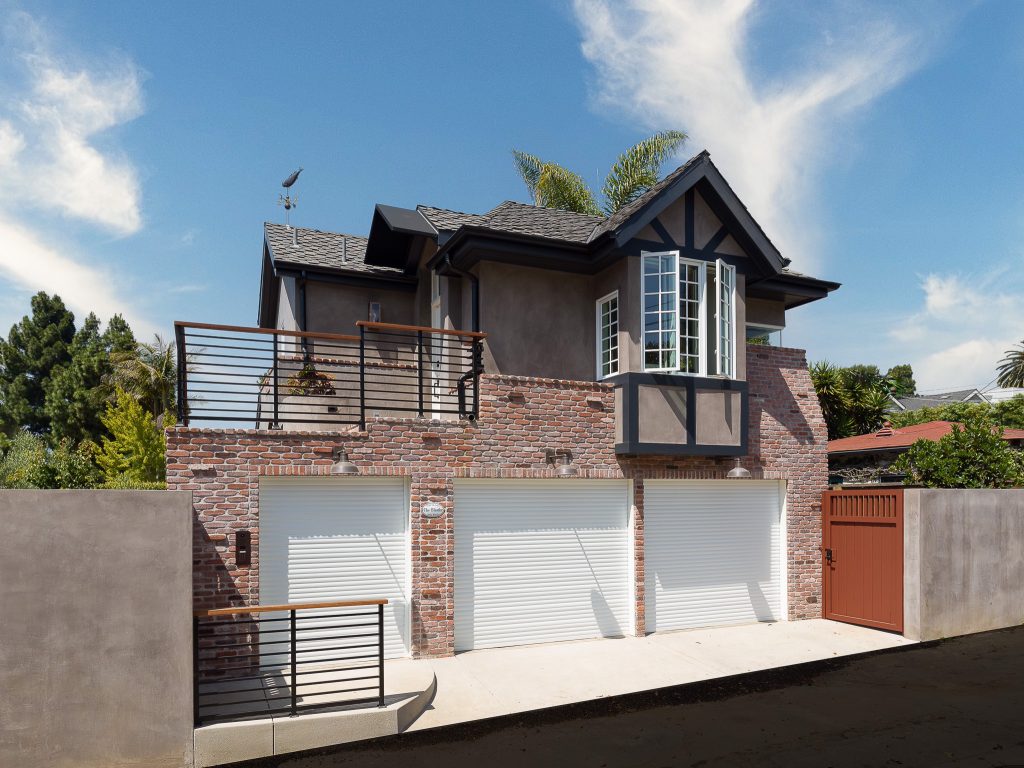
On the Peninsula—Palos Verdes Estates, Rancho Palos Verdes, and Rolling Hills—site and slope write the first chapter. We begin each ADU with a micro-climate read: sun angles, fog patterns, and prevailing winds guide glazing, shading, and planting. 2025 ADU design trends here favor pared-back palettes that amplify cliffside views—think plaster-look porcelain, rift white oak, and limestone-colored stucco. WUI-compliant assemblies, ember-resistant vents, and non-combustible claddings are no longer “extras”; they are table stakes. We integrate defensible space into landscape concepts, using low-water natives and crushed rock firebreaks that still feel garden-forward. Structure gets special attention too, from over-excavation and recompaction at pads to deepened grade beams that transfer load safely on variable soils.
Permitting and neighbors matter on these hills, so we thread privacy and scale into every elevation. Terraced pads, stepped massing, and green screens tuck ADUs into the terrain. Sound attenuation becomes part of the envelope: double-stud demising walls at property edges, STC-40+ doors, and minimized flanking paths at floor and ceiling assemblies. Carefully placed windows frame ocean light while sidestepping sightlines. Finally, we size cisterns and bio-swales to capture and manage stormwater run-off down to the gallon, protecting both the project and the street below.
Natural Stone vs Porcelain and Curbless Showers in Palos Verdes ADUs 2025
Noble as it is, natural stone asks for constant care in a coastal or hillside setting. For kitchen worktops and bath walls, we evaluate porosity, hardness, and finish. Honed quartzite or sealed dolomite can perform beautifully, yet large-format porcelain and sintered slabs often win in 2025 ADU design trends due to nearly zero absorption, UV stability, and minimal seam lines. With 6–12mm slabs, we wrap fireplaces, vanities, and niches in monolithic planes that read carved rather than assembled. Edges miter cleanly, veins book-match, and maintenance stays simple: neutral cleaner, soft cloth, done. In high-humidity microclimates, slab porcelain on shower walls eliminates grout maintenance, while matching floor tiles keep visual continuity.
Bathrooms
Curbless showers deliver function and elegance, but they demand precision. We recess the shower pan substrate, integrate pre-sloped foam or mortar beds, and use continuous waterproofing with inside/outside corners pre-formed for reliability. Linear drains placed at the rear wall or entry side dictate slope strategy and tile layout, so we coordinate grate length with module size early. Heated floors flow through the wet zone thanks to low-voltage mats rated for showers, and we seal the assembly with a vapor-permeable membrane to allow drying without trapping moisture. The result is barrier-free access that reads spacious, feels warm underfoot, and endures the daily marine layer.
For stone lovers who crave the real thing, we balance beauty and durability with targeted application. We might specify a dramatic quartzite slab as a kitchen feature wall away from the heaviest prep, or a marble ledge in a powder bath where exposure is light. Then we surround those moments with hardworking porcelain in harmonized tones. This hybrid tactic preserves the soul of stone while channeling the longevity that 2025 ADU design trends demand. Either way, we mock up sealers and finishes on-site, tune the sheen, and lock in a maintenance plan the homeowner can sustain year-round.
Calabasas, Hidden Hills, and Westlake Village: Color, Multigenerational Living, and Smart, Sustainable Systems
In Calabasas, texture carries color. Plaster-look paints, limewash, and wire-brushed woods bring depth without visual clutter, while olive, clay, and sand tones echo the hills. Privacy landscaping makes ADUs feel independent: layered hedges, fast-growing screens like Carolina cherry or podocarpus, and low-glare lighting carve secluded patios. Hidden Hills families often pursue multigenerational layouts—ground-floor suites with wider clearances, stacked laundry, and prewiring for future ceiling lifts. Kitchens favor warm modern finishes: oak, bronze, and matte black working side by side, anchored by durable sintered counters and induction cooktops that pair with battery-backed solar to ride out PSPS events. Every decision aims at comfort with low maintenance and low energy use.
Westlake Village tilts toward tech-forward comfort. We design new subpanels for 200A service upgrades, EV-ready circuits, and whole-home surge protection. Thread/Matter-enabled hubs tie lighting, shade, access control, and leak detection into a single app. Zoned heat pump systems with smart thermostats deliver fine-grained comfort and high SEER/HSPS performance. On the roof, cool-rated standing seam metal or single-ply membranes meet Title 24, while integrated PV plus storage keeps accessory dwellings resilient. Gutters and downspouts feed percolation pits or cisterns to nourish water-wise landscapes. Altogether, these strategies define 2025 ADU design trends in the foothills: quiet, efficient, and future-ready.
Foothill and Historic Gems: La Cañada Flintridge, San Marino, South Pasadena, Pasadena, Glendale, and Burbank
Minimalist ADUs in La Cañada Flintridge lean serene rather than stark—hidden pulls, flush baseboards, and artful reveals substitute for ornament, while skylit cores prevent austerity. In San Marino and South Pasadena, we respect Spanish Revival DNA with arched openings, clay flue vents, decorative grilles, and reclaimed-look tile in durable porcelain. Pasadena loves a layered lighting plan: task lights at 3000K for kitchens, warmer 2700K accents at niches, and low-glare path lights outside. Two-story ADU ideas include stacked shear walls, pre-engineered moment frames at wide openings, and light wells that make upper studios feel lofty. Glendale ADUs prioritize storage—under-stair cabinets, platform-bed drawers, and full-height pantry walls—so small footprints live large. And in Burbank, soundproofing reigns: resilient channels, two-layer drywall with damping compound, and acoustical door seals tame aircraft and studio noise.
Across these cities, detailing wins the day. We choose flush sills with thermally broken thresholds that maintain accessibility and thermal performance. We tune window specs to context—acoustic laminated glass near busy corridors, bronze anodized frames in heritage zones, and white interior frames where daylight needs a neutral reflector. Landscape ties the ensemble together with decomposed granite walks, espalier fruit, and low-water gardens that showcase native color. Finally, we plan utilities with care: concealed roof drains, cleanly routed condensate, and hose bibs exactly where you’ll need them. With jurisdictional nuances ranging from historic review to hillside overlays, our team coordinates submittals so your ADU moves smoothly from drawings to permits to keys-in-hand.
Our 2025 Process, Credentials, and Your Next Steps
Green Works Construction is a California CSLB-licensed, bonded, and insured general contractor serving Los Angeles County and beyond. We live in the details: soils reports, Title 24 modeling, CALGreen documentation, and structural coordination with holdowns and shear schedules sized to your site. Our superintendents are OSHA-trained, and our designers operate with building science at the forefront—rain-screen claddings where they matter, continuous exterior insulation where climate demands, and WUI assemblies where codes require. We integrate energy-smart systems—heat pump water heaters, ERVs, induction cooking, and battery-ready solar—to future-proof your investment. Recognized locally for craftsmanship and client service, our team brings hundreds of successful remodels and dozens of ADUs to the table, and we back it with transparent schedules, daily job logs, and clean, courteous sites. That discipline underpins 2025 ADU design trends we deliver: beautiful, durable, and code-right.
Ready to translate vision into a permitted, buildable reality? Start with a free 2025 feasibility consult. We’ll analyze setbacks, utility taps, egress paths, parking, and potential exemptions; then outline options—garage conversions, new detached structures, or second-story additions—with concept sketches and a line-item cost plan. If you’re coastal, we advise on Malibu and Coastal Commission nuances; if you’re hillside, we map cut-and-fill limits and drainage. We align finishes and systems with your budget and maintenance goals, and we forecast schedule from survey to certificate of occupancy. Reach out today, and let’s shape an ADU that reflects the best of 2025 ADU design trends—tailored to your city, your lot, and your life.
Additional Resources:
- Remodeling a Kitchen or Bathroom in Los Angeles: A Comprehensive Guide
- Kitchen Remodel Design Choices: A Guide to Finding Your Style
- How a Kitchen Remodel Can Transform Your Home: 30 Reasons to Take the Leap
- Woodland Hills Kitchen Remodel: Who Can Benefit? 20 Reasons Explained
- Who to Hire for Kitchen Remodel
- Kitchen Renovation vs Remodel
- Kitchen Remodel and Design Near Me
- Santa Monica Kitchen Remodel
- Los Angeles Kitchen Remodeling Services
- Kitchen Remodeling Services in Calabasas
- Backyard Kitchen Remodeling Services in Calabasas
- Backyard Kitchen Remodeling Services in Woodland Hills
- Backyard Kitchen Remodeling Services in Culver City
- Chefs Kitchen Remodel Los Angeles
- Beverly Hills Kitchen Remodel
- Los Angeles Kitchen Remodel: Your Guide
- Tarzana Kitchen Remodel
- Tarzana Outdoor Kitchen Remodel
- Los Angeles Kitchen Remodel Trends 2024
Our Service Areas
We are serving Los Angeles metro area. Our service area includes, but is not limited to the following locations: Agoura Hills, Altadena, Arcadia, Atwater Village, Bel Air, Beverly Hills, Beverlywood, Brentwood, Burbank, Calabasas, Camarillo, Canoga Park, Century City, Country Club Park, Culver City, Eagle Rock, Echo Park, Encino, Glassell park, Glendale, Hancock Park, Highland Park, Hollywood, Hollywood Hills, La Brea, La Canada Flintridge, La Crescenta-Montrose, Los Feliz, Manhattan Beach, Mar Vista, Marina del Rey, Melrose, MidCity, Miracle Mile, Moorpark, Newbury Park, Oak Park, Pacific Palisades, Palos Verdes, Pasadena, Playa del Rey, Cheviot Hills, Santa Monica, Sherman Oaks, Silver Lake, Stevenson Ranch, Studio City, Tarzana, Thousand Oaks, Toluca Lake, Topanga, Valley Village, Van Nuys, Venice, West Hills, West Hollywood, Westchester, Westlake Village, Windsor Hills, Woodland Hills
KEEP READING